Iran Talks in Doha: Hormuz Threat, $12B Frozen Funds, and Vance's 'Persian Tactic'
Indirect nuclear talks in Qatar. Kushner in the region but not at the table. Oil exports surge. Hormuz stays the trump card.
While the World Cup roared across North America, a quieter game played out in Doha - one that could move oil prices more than any penalty shootout.
Iran and Western powers held indirect technical talks in Qatar in early July, mediated by Doha and Islamabad. No handshakes on camera. No joint statements. But the machinery of diplomacy is turning again.
What happened in Doha
According to multiple regional and international reports, the talks focused on three working groups:
- Nuclear program - enrichment levels, inspections, timelines
- Diplomatic normalization - embassies, travel, regional security
- Frozen funds - roughly $12 billion in Iranian assets held abroad, earmarked for humanitarian use
Jared Kushner and Steve Witkoff were in the region but not sitting in the technical sessions with Iranian negotiators directly. The format remains indirect - messages passed through mediators, the classic Gulf choreography.
Iran publicly denied that meaningful talks were happening. US Vice President JD Vance had a label for that: a “Persian negotiating tactic.”
Translation: deny in public, bargain in private.
Hormuz - the card Tehran will not put down
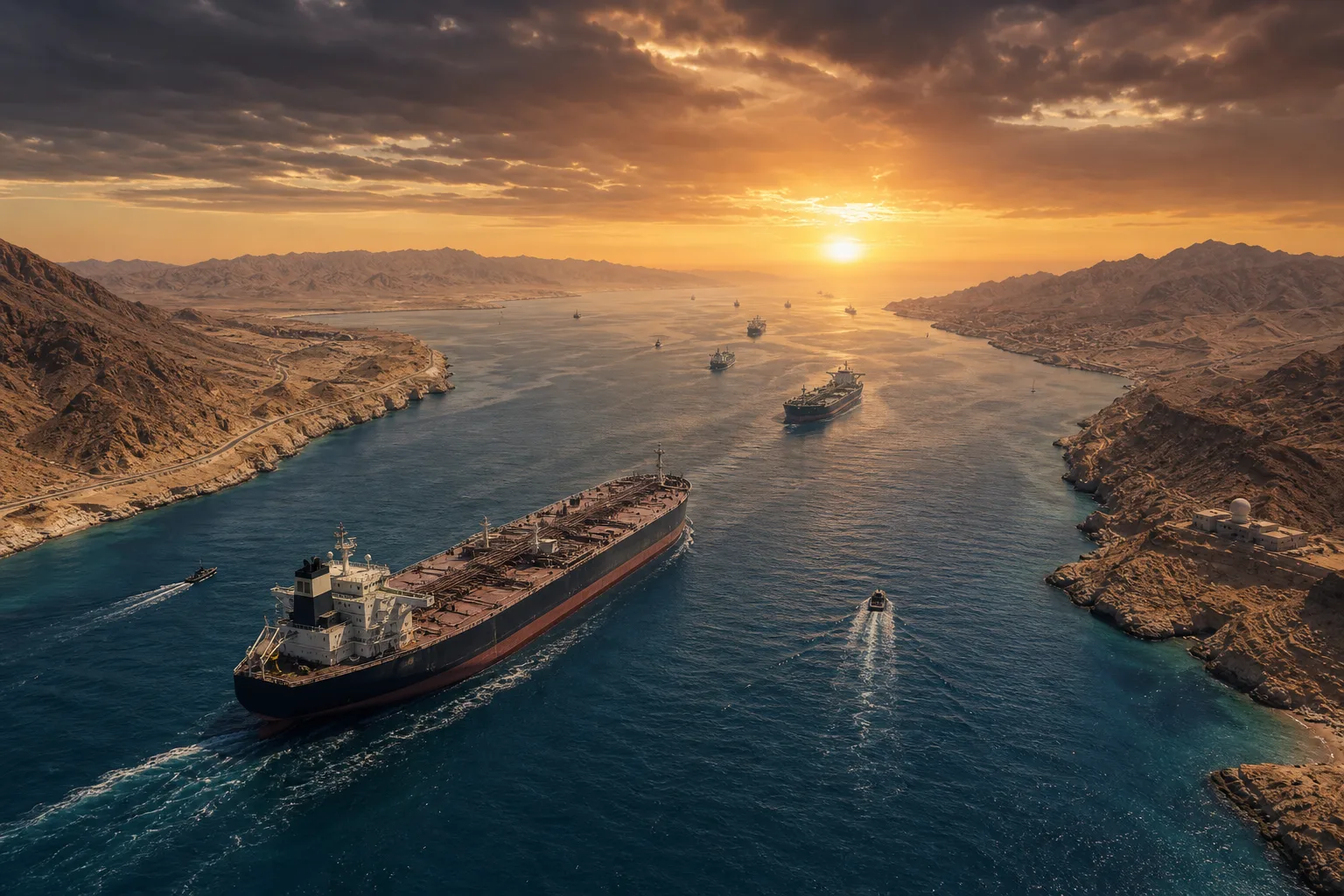
Iranian Parliament Speaker Mohammad Bagher Ghalibaf did not mince words. The Strait of Hormuz - the chokepoint through which roughly 20% of global oil transits - is Iran’s “greatest instrument of power.”
That is not rhetoric. It is strategy.
Since strikes on Kuwait and Bahrain in late June - which we covered in our Kuwait/Bahrain update - tensions in the Gulf have stayed on a hair trigger. Shipping insurers raised premiums. Tanker routes shifted. Markets watched every headline.
Vance warned that attacks on commercial vessels in Hormuz would trigger a “severe response.” Iran insists it is defending its sovereignty. The strait remains the battlefield neither side wants to fully open - and the lever Tehran keeps closest to its chest.
Oil exports surge - follow the barrels
Here is the number that matters: Iran reportedly exported roughly 40 million barrels of oil in a two-week window around the talks - a surge that suggests Tehran is monetizing leverage while diplomacy runs in parallel.
Sell oil. Talk in Doha. Deny everything in press conferences. It is a playbook as old as the Persian Gulf itself.
Where this fits in the timeline
This is the fourth major beat in our Iran coverage since the escalation began:
| Date | Story |
|---|---|
| June | Peace deal framework, Switzerland roadmap |
| June 27 | Hormuz shipping crisis intensifies |
| June 28 | Strikes on Kuwait and Bahrain |
| July 1-2 | Doha technical talks, frozen funds, Vance comments |
Nothing is resolved. Everything is in motion.
What to watch next
- Hormuz incidents - even a single flagged attack reshapes markets overnight
- Frozen fund releases - humanitarian channel or political breakthrough?
- Public denials vs private progress - if Vance is right, quiet wins matter more than press releases
- Regional allies - Qatar and Pakistan as mediators could expand the table
The World Cup will crown a champion in July. The Gulf may decide something far more expensive before the final whistle.
We will keep tracking both.