US Reimposes Iran Port Blockade - Daylight Strikes, Hormuz on Edge, Oil Climbs
July 15, 2026: US reimposes naval blockade on Iranian ports and intensifies airstrikes after Hormuz shipping attacks. Iran threatens to halt regional energy exports. Brent above $85.
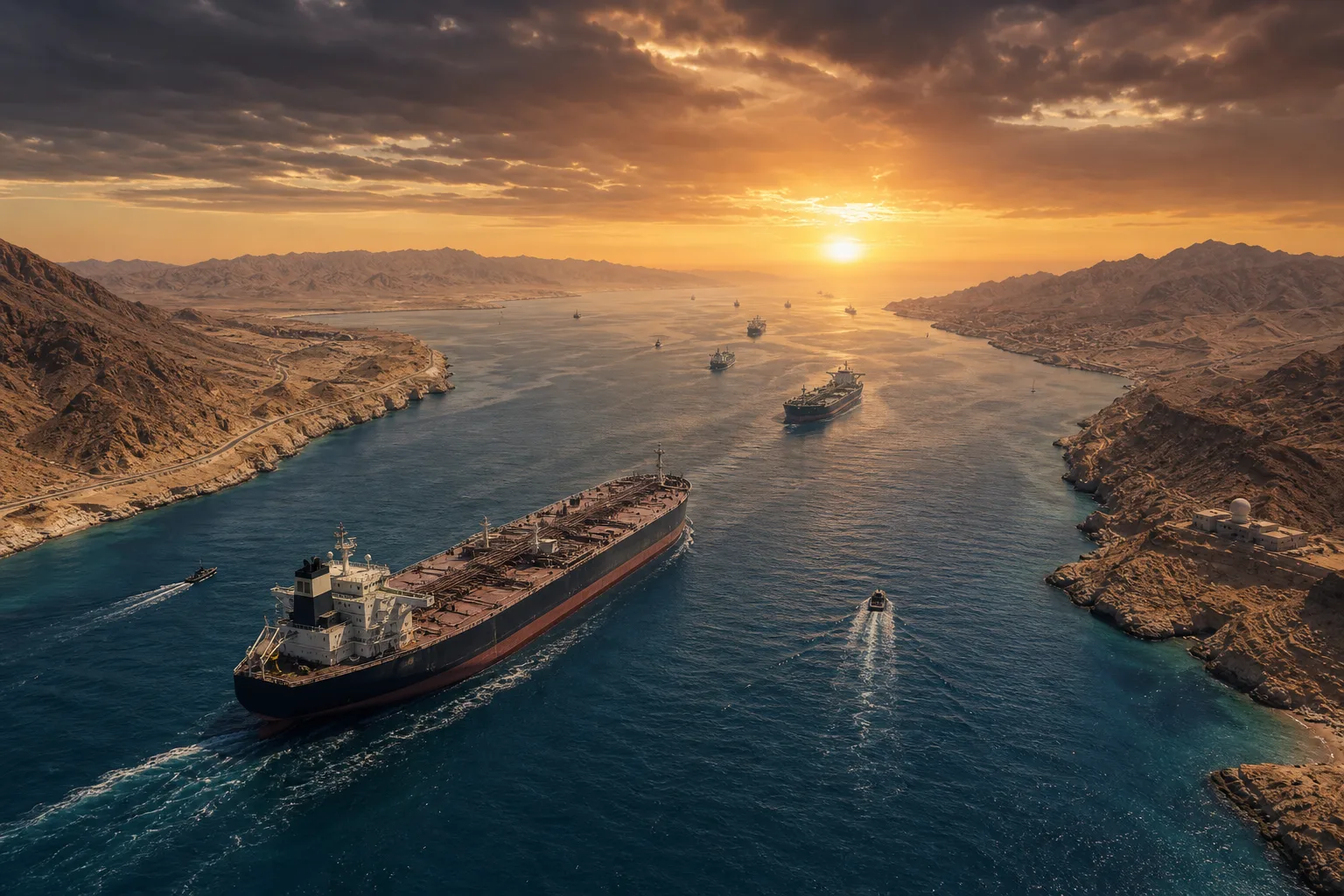
The pause did not hold.
On July 15, 2026, the United States reimposed a naval blockade on Iranian ports and spun up another wave of airstrikes after Tehran attacked ships trying to move through the Strait of Hormuz. Iran’s Revolutionary Guard answered with a threat that lands in every fuel tank on Earth: energy exports from the region will be “for everyone or for no one.”
The interim deal that cooled the war last month is in pieces. Daylight US strikes - unusual in this phase - tell you the tempo just jumped.
What happened Wednesday
- US blockade on vessels to/from Iranian ports back on - first imposed in April, lifted after the interim pause
- Overnight CENTCOM strikes on dozens of targets along the southern coast and near Hormuz
- Daylight follow-up wave, including Greater Tunb Island coastal defenses and cruise-missile sites
- Within 17 hours of the blockade restart, US forces “redirected” two commercial ships trying to run it
- Iranian officials: at least 7 soldiers killed at a barracks strike in Sistan and Baluchestan; recent days’ toll put at 35+ dead, 300+ wounded nationwide (Health Ministry)
Iran claimed missile/drone hits toward Bahrain, Kuwait and Jordan - all hosts of US forces. Jordan said it shot down three missiles. CENTCOM said Iran launched dozens of missiles and drones at neighboring Gulf states.
Why Hormuz decides the price of everything
In peacetime, about one-fifth of the world’s oil and gas trade moves through the Strait. When the wider war opened on February 28, Iran effectively choked the waterway. Prices for oil, fertilizer and a long list of goods jumped far outside the Gulf.
During the interim period, some shipping crept back via a US-overseen route near Oman. Then Iran hit that traffic. Washington threatened to reopen Hormuz by force - experts say that takes a much bigger fleet, maybe ground troops. Reblocking Iranian ports is the pressure lever they chose instead.
Brent traded above $85 on Wednesday - more than 15% above pre-war levels, still below the nearly $120 spike at the conflict’s peak. The IMF warned the spare cushion in oil markets is shrinking fast.
The politics under the bombs
Trump told Fox that more strikes were coming within two days, and that bridges and power plants could be next week unless talks restart. “You better make a deal, or you’re not going to have anything left.”
Iran’s UN ambassador called the US the aggressor, not the victim. Tehran’s foreign ministry line: no plans for talks right now - focus on defence.
US Treasury also announced fresh sanctions on a seven-person/company network across Iran, Nigeria, Italy and Russia accused of helping arm the IRGC.
What to watch next
| Signal | Why it matters |
|---|---|
| More daylight strike waves | Tempo of a return to open war |
| Any tanker hit / diverted | Instant market reaction |
| Trump energy-target threat | Bridges and plants = civilian-adjacent escalation |
| IRGC “everyone or no one” | Regional export shutoff risk |
| Talks restart - or not | Only off-ramp still named out loud |
The World Cup is eating the sports channels. Hormuz is eating the rest. Two stories, same Wednesday - only one moves the price of a barrel.